


Nail fungus makes your nails brittle and discolored, which is unsightly, unhealthy, and really embarrassing if anyone notices.If left untreated, it can cause the nails to crack, split, or even be lost altogether.
Dermatophytes spend time in warm and humid environments, are easily transmitted by contact or household items, and you are at particular risk if you suffer from diabetes, a weak immune system and a smoking habit.
Oral antifungal tablets, creams, nail treatments, and other commercial treatments certainly work, but sometimes you can get an inexpensive home remedy.Like tea tree oil and apple cider vinegar.
How effective is it really?
Fungus thrives in a moist, alkaline environment with a high pH, and apple cider vinegar (ACV) is acidic and also has antifungal and antibacterial properties that fight nail infections and prevent them from recurring.
Use apple cider vinegar on your feet and say goodbye to that nasty fungal infection.
How to use apple cider vinegar to treat nail fungus
Apple cider vinegar is completely safe and has many benefits for children and adults.The following methods of using apple cider vinegar will help you treat and prevent nail fungus without any side effects.
1. Soak in apple cider vinegar
- Take a bowl, combine equal amounts of apple cider vinegar and water.Make sure there is enough solution to dip your toes or hands.
- Soak for 30 minutes and dry with a soft towel.
- Allow your feet or toes to dry completely to remove any residual moisture.
- Massage your toes with a mixture of tea tree, coconut or oregano oil for a few minutes.
- Repeat the process regularly.
Use warm or cold water for best results.
Cut your nails before the procedure, this will help the vinegar to penetrate deeper layers of the epidermis and work more effectively.Never use vinegar twice - discard the water as soon as the bath is finished.Soaking in contaminated water has no effect and can slow down the healing process.
2. Direct use of apple cider vinegar for nails
This process can be used after bathing or at any time of the day.Vinegar is more effective when diluted.But if you can't tolerate direct application of ACV, you can dilute it with a few drops of water.
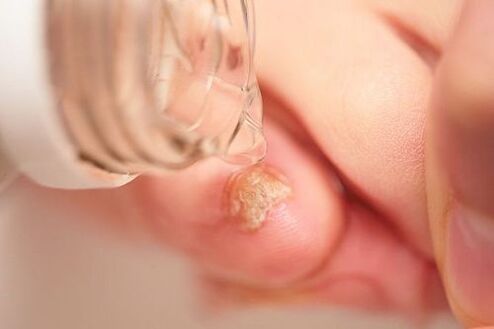
- Pour a few drops of apple cider vinegar directly on the infected nail.
- Allow to dry completely.
- Repeat at least 2 times a day.
3. Consumption of apple cider vinegar
Drinking diluted apple cider vinegar for nail fungus boosts your immune system, which helps fight the infection from within.
- Add 2 tablespoons of apple cider vinegar to half a liter of water.
- Drink the solution during the day.
- When you feel thirsty, you can cool down and drink a glass.
Note: If you can't stand the taste of apple cider vinegar, add 1 teaspoon of honey.
4. Apple cider vinegar with rice flour
- Make a paste by combining 2-3 teaspoons of apple cider vinegar and some rice flour (coarsely ground).
- Apply the paste to the infected nail and gently rub to remove the dead particles.
- After brushing, leave the mixture for a few more minutes.
- Rinse with water and dry the nail thoroughly.
- Repeat the process regularly.
Optional: You can use antifungal ointment.
5. Apple cider vinegar with salt
The salt gently exfoliates the skin and nails, which helps the healing properties of apple cider vinegar work more effectively and quickly.
- Combine 1/3 cup apple cider vinegar and Epsom salt and 2 cups warm water.
- Mix well and soak your feet or toes for 30 minutes.
- Repeat the procedure 1-2 times a day.
Note: the longer you wait, the better the result.
6. Apple Cider Vinegar with Listerine
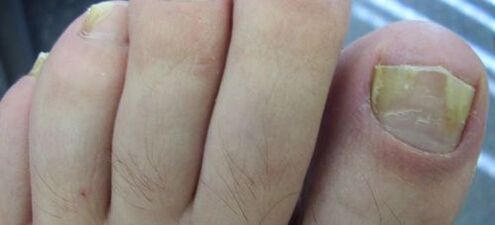
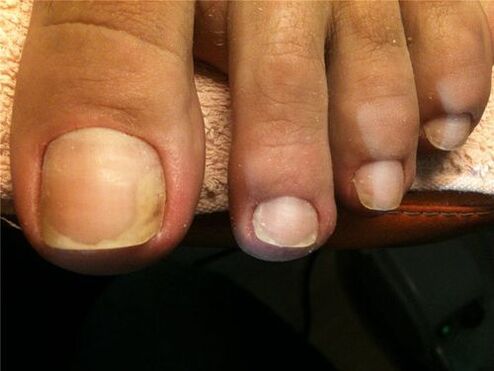
This process can be used daily for mild to moderate conditions such as white spots and slight discoloration on the nails, thickening of the nail, swelling of the surrounding skin, pain and dark discoloration.
- Fill the tub by adding equal amounts of apple cider vinegar and Listerine.
- Mix well and keep your nails in the solution for 10-15 minutes.
- Using a toothbrush, gently scrub your nails and the surrounding skin.
- Dry the nails completely.
7. Apple cider vinegar, borax, hydrogen peroxide and hot water
- Add 2 tablespoons of borax to boiling water and let it dissolve.
- Now add 1/4 cup each of apple cider vinegar, water and hydrogen peroxide (3%).
- Mix well and soak your nails for 30-45 minutes.
- Rinse with water and wipe thoroughly.
Repeat the procedure every day until the infection disappears.
8. Apple cider vinegar with copper sulfate
Copper sulfate has antiseptic and antifungal properties that kill the foot.
- Combine 40 ml of apple cider vinegar and 20 g of copper sulfate.
- Mix well and pour the mixture into a liter spray bottle filled with water.
- Spray the solution on the affected nail and allow it to dry completely.
Repeat the process regularly.
9. Apple cider vinegar, peroxide and antibiotic ointment
- Combine 1 capful of apple cider vinegar and peroxide.
- Dip the tip in the mixture and rub it on the affected area.
Note: The solution may sting, but the reaction will occur within a few minutes.
Repeat 3 times a day.
Apply antibiotic ointment to your nail fungus during the day.
Tips and precautions
For best results, use organic, unfiltered and unpasteurized apple cider vinegar.
If applying ACV or soaking causes irritation, try diluting it with water.
Apple cider vinegar can erode enamel, so it's best to drink it through a straw.Including ACV in your daily diet also helps in the treatment and prevention of nail fungus.
Sometimes a nail may fall off during use - continue using vinegar until the new one grows completely.This usually lasts from 2 to 6 months.
When you visit a salon for a pedicure or manicure, make sure the staff uses only sterilized tools.Tools such as files, nail clippers, and nail polishers can spread the fungus.
Trim the infected nail regularly.
Never use the same towels to dry the affected nail.Better to use paper.
Wash your feet when returning from public areas such as locker rooms, showers, spas, and pools.
It is better to use flip-flops instead of shoes until the nail fungus is completely gone.
You should definitely apply antifungal powder before wearing socks.
Avoid sharing socks and tight shoes.
People with diabetes, peripheral vascular disease, or anything else that limits blood flow to the feet should take special care when treating fungus.
Avoid wearing nail polish and artificial nails, as they create a moist environment and block the flow of oxygen.
Reduce sugar intake as it encourages fungal growth.
If the above remedies do not help, consult your doctor.